Student Spotlight: Chrystal Aquino JD’27
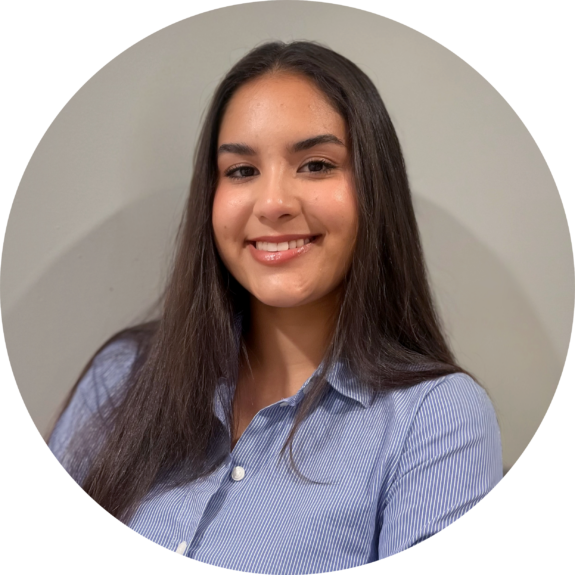 Growing up in Tampa, Florida, Chrystal Aquino always imagined going to law school. She was outspoken and drawn to public policy from an early age. During summer trips to visit extended family in the Dominican Republic, she watched her uncle immerse himself in local politics and, as Aquino puts it, “fight the good fight to make things better for people.”
Those trips also influenced Aquino’s connection to food and where it comes from. Her family raised chickens and pigs, grew crops, and planted fruit trees. Experiences on the land, like picking fruit straight from a tree, inspired Aquino to “learn to exist on this planet more sustainably.”
Aquino attended Stetson University, north of Orlando, and studied political science with a minor in sustainable food systems, combining her longstanding interest in policy with her passion for sustainable food. For a senior thesis, she researched local food policy and food access. When seeking a law school where she could continue to explore the intersection of food systems and policy, she discovered Vermont Law and Graduate School (VLGS).
Aquino just wrapped up her second year at VLGS. This past spring, she joined the Food and Agriculture Clinic, where students work with the Center for Agriculture and Food Systems (CAFS) on active research projects related to food and agricultural law and policy. As a student clinician, Aquino worked with the Urban Agriculture and Innovative Production Policy Project. Led by VLGS Visiting Assistant Professor Liz Turner and CAFS Deputy Director and Senior Researcher Lihlani Nelson, this research project highlights local policy strategies to support urban food production.
Chrystal's research will help shine a light on an important and understudied connection between two relatively siloed areas of local and state policy: urban land recycling and redevelopment, and urban agriculture and food systems.
— Liz Turner, VLGS Visiting Assistant Professor
Aquino’s focus this semester was researching land banks as a potential policy tool to support land access for urban agriculture. Land banks are entities set up by local and state governments to acquire vacant properties and return them to productive use, often to rehabilitate neglected or abandoned buildings or areas, support local economic development, and build affordable housing. According to the Center for Community Progress, there are over 350 land banking programs in the United States. Aquino looked at land banks across the country and did a deep dive into the model in several states, to see what their stated goals are and how those goals are being implemented.
So far, Aquino’s research shows that land banks could be a significant opportunity to provide land access for urban farms and community gardens. “But that’s up to the priorities of individual municipalities and how important they view urban agriculture in their communities,” she says.
“Chrystal’s research will help shine a light on an important and understudied connection between two relatively siloed areas of local and state policy: urban land recycling and redevelopment, and urban agriculture and food systems,” says Liz Turner.
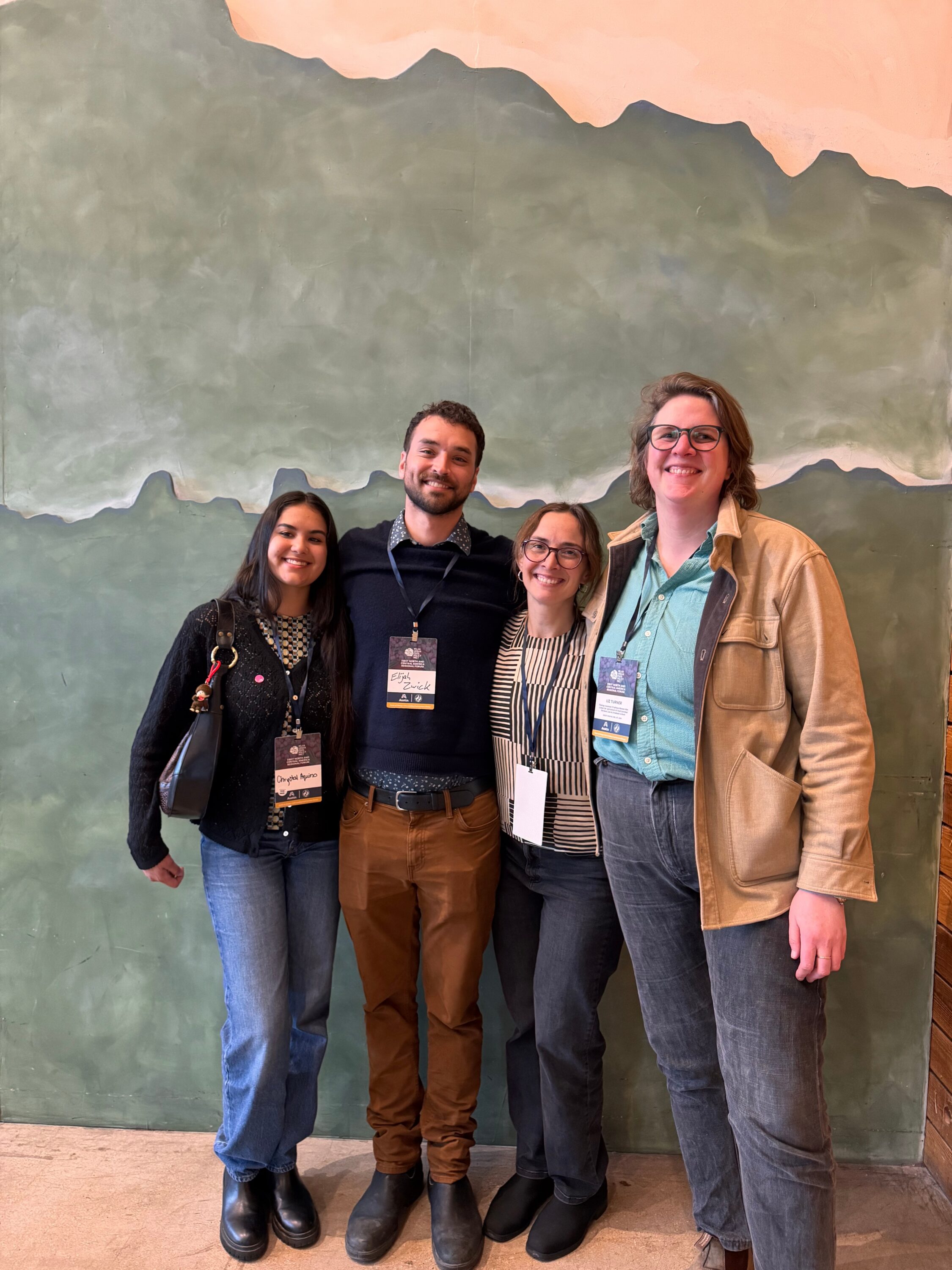
This semester also gave Aquino opportunities to connect directly with practitioners in the field. In March, she traveled to Austin, Texas, alongside Turner, Nelson, and fellow VLGS student Elijah Zwick JD’27 to attend the first-ever Urban Agriculture Directors Alliance convening. She heard firsthand from city employees around the country about their work, and she was able to hear directly from them about the challenges and possibilities surrounding land banks.
In addition to her project work, Aquino’s time in the clinic included participating in the weekly clinic seminar, building friendships with her colleagues, and visiting a local organic vegetable farm. In the weekly seminar, Aquino learned about food system law and policy, research and writing, project management, legislative lawyering, and more. She also practiced facilitating problem-solving discussions and formally presenting on her clinic project.
This summer, Aquino will return to Tampa to intern at an immigration and bankruptcy law firm. She plans to return to Florida after graduation to work in her community in some capacity, so establishing professional roots in her hometown is important to her.
“My work at VLGS feels like it’s beyond just learning the law to pass the bar,” she says. “I’m getting so much valuable information to be active in my community once I’m back.”
Learn More
- Read more about the Food and Agriculture Clinic.
- Interested in studying food and agricultural law and policy at Vermont Law and Graduate School? Learn more about VLGS degree offerings.